

Efficient code & frameworks
Lean development and appropriate technology reduce unnecessary processing, requests and data transfer.
We design and develop websites that use resources efficiently while delivering the speed, accessibility, usability and flexibility organisations need. From code and content to hosting and long-term maintenance, environmental impact is considered throughout the development process. The result is a lighter, more efficient digital platform with measurable benefits for performance and sustainability.
Every website uses energy. Data is transferred between servers, networks and devices each time somebody visits a page, loads an image, watches a film or interacts with an external service.
The amount of energy involved is influenced by how a website is designed, built, hosted and maintained. Efficient code, optimised content, lighter pages and appropriate infrastructure can all help reduce unnecessary data transfer and associated emissions.
For organisations with sustainability commitments, their digital estate forms part of the wider environmental picture. It is also an area where practical improvements can frequently deliver immediate performance benefits.
Carbon score
bakerwilcox.com

Here we are
Only producing 0.04g of carbon
every time someone visits our site
Running on hosting which is
using sustainable energy
Global average
Lighthouse development score
bakerwilcox.com
Performance
Accessibility
Best Practices
SEO
Lower-carbon websites begin with good technical decisions. We look for opportunities to reduce unnecessary processing, data transfer and complexity throughout design and development.
Efficient code and frameworks, carefully managed media, appropriate functionality and responsible hosting all contribute. The same decisions can improve page speed, accessibility, maintainability and the experience of using the website.
Longevity matters too. We build flexible systems that can evolve as an organisation changes, reducing the need for frequent replacement and making ongoing improvement easier.
Sustainability is considered alongside brand, content, usability and technical performance throughout the project.
Environmental efficiency can deliver practical business benefits and a more efficient website can support several organisational priorities at the same time:
• Sustainability and ESG reporting: Provide measurable evidence of efforts to reduce digital environmental impact. • Procurement and tender requirements: Support sustainability criteria increasingly included within procurement processes and supplier assessments. • Search and accessibility: Strong technical foundations, performance and accessible implementation support a healthier digital platform. • Long-term efficiency: Maintainable code and flexible systems can reduce unnecessary redevelopment and make future improvement easier.
Lean development and appropriate technology reduce unnecessary processing, requests and data transfer.

Images, video, fonts and other assets are prepared and delivered efficiently to reduce page weight.
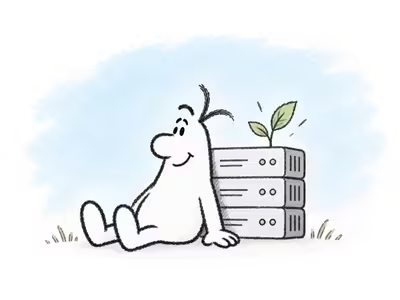
Hosting and infrastructure choices consider energy use, efficiency and the requirements of the platform.

Flexible, well-structured systems allow websites to evolve without unnecessary rebuild cycles.

Efficient digital design should work well for the widest possible audience, across different devices, abilities and connection speeds.
Whether you are commissioning a new identity, website, campaign or piece of print, BakerWilcox brings experienced creative thinking together with a practical understanding of environmental impact.
If you are looking for a design partner who can deliver excellent work while helping your organisation make more responsible choices, we would be pleased to hear what you are working on.

